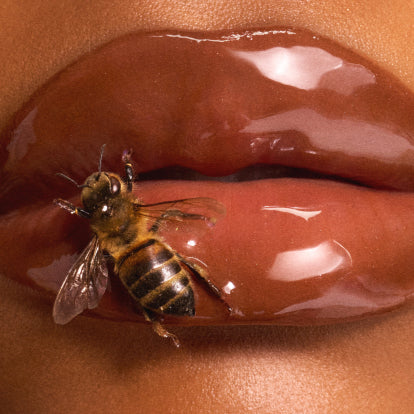
We explain the journey of honey, how it is made by bees, how it is harvested, why we use honey in our products and the benefits of honey for hair and skin. How Honey is Made For bees to produce honey and feed the colony, they collect pollen and nectar from flowers. Nectar is a sweet liquid secreted by flowers to promote pollination by insects and other animals, collected by bees to make honey.
Rapid Pollination 101: Flowers attract pollinators with this delicious nectar in order to be fertilized. When a bee collects nectar and pollen from a flower, the pollen from the flower's stamens sticks to the hairs on the bee's body. When it visits the next flower, some of this pollen is rubbed off onto the flower's stigma. This is how plants reproduce. Do you want to know more about bees and beekeeping?
Take our free bee learning course! How bees make honey: Nectar from flowers is collected by bees, mixed with enzymes they produce themselves, then stored in the honeycomb, where it is broken down into simple sugars. The flapping of bees' wings causes the water in the nectar to evaporate, creating the sweet liquid we call honey. Once the water content of the honey in a cell is reduced to around 18%, the cell is covered with a layer of beeswax.
On average, bees from a single hive produce about 27 kilos (60 lbs) of honey, including about 11 kilos (25 lbs) of excess honey. Harvesting Honey Fortunately for us, bees produce 2 to 3 times more honey than they can consume, so beekeepers can harvest the excess. At Gisou we take a bee-centric approach, meaning we prioritize the welfare of the bees and only take excess honey if and when appropriate.
We ensure that our production cycles are synchronized with the harvest season of our key ingredients, honey and propolis. Experienced beekeepers with mature colonies can get up to three honey harvests per year: in July, August and September. At the end of September (end of March in the southern hemisphere), the beekeeping season ends. Bees are preparing for winter, so they need to have enough honey stored to help them survive until spring.
Curious to know how exactly honey harvesting and extraction works? Negar Mirsalehi guides you step by step through the honey extraction process. Why we use honey in our products Growing up, our founder Negin Mirsalehi and her family enjoyed an abundance of the freshest, finest honey produced by her father's bees. Apart from satisfying their taste buds as a natural sweetener, the Mirsalehi family has always strongly believed in the medicinal power of honey and used it as a supplement and antiseptic for many years.
Honey has been used around the world for many centuries for its powerful health and beauty benefits. Health and Beauty Benefits of Honey: Natural Humectant: Honey is the best natural humectant thanks to its unique ability to attract and retain moisture. Antioxidants: Reduces oxidative stress in the body by eliminating free radicals, which cause inflammation. Vitamins and minerals: including calcium, magnesium, riboflavin, potassium, zinc and niacin.
Antibacterial, antimicrobial, antiviral and antifungal: Thanks to hydrogen peroxide and glucose oxidase, honey can kill harmful bacteria and fungi. Healing Properties: Studies have shown that honey can be used for wound healing due to its antibacterial, anti-inflammatory and antioxidant properties. Powerhouse of phytonutrients: benefits for the immune system and anti-cancer.
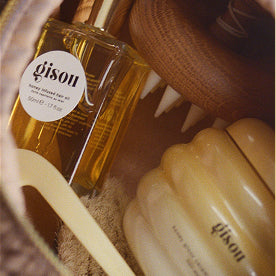
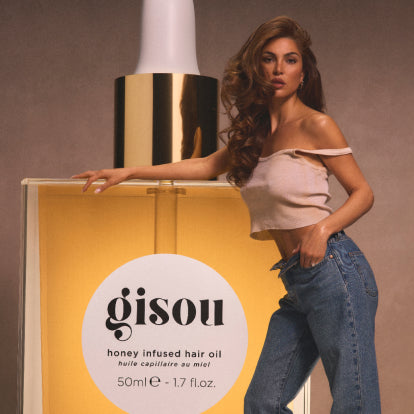
From bee garden to bottle Because honey has so many powerful benefits, Negin's mother – a hairstylist in training – began experimenting with her own homemade hair care formulas using Mirsalehi honey. After several years of experimentation, she was able to create the perfect honey-infused hair oil using fresh honey from the bee garden. This is how honey infused hair oil was born!
"For as long as I can remember, my family's honey-infused hair oil has kept my strands healthy, hydrated and conditioned. It's the first thing I use on my hair in the morning to nourish and hydrate and I continue to use it throughout the day, every day, to tame flyaways and polish. I often apply it before bed as a nighttime treatment to strengthen and hydrate my hair.
Even before and after styling, it's the one product I rely on to keep my hair from drying out, to add shine, and to enhance the end result. - Negin Mirsalehi Benefits of Honey for Hair and Skin Our iconic Honey Infused Hair Oil inspired us to expand the Honey Infused line with more nourishing hair and complexion products.
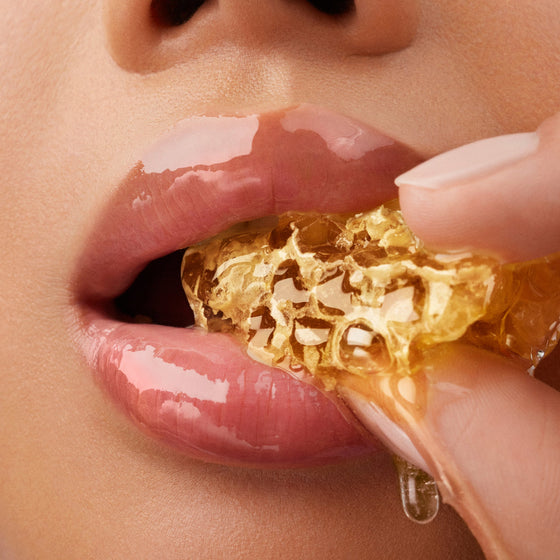
To date, all of our honey-infused products contain honey that comes directly from the original source: the Mirsalehi Bee Garden. Why honey is good for your skin Mirsalehi honey is also the key ingredient in our range of skin and complexion products: Honey Lip Oil, Honey Face Oil and Honey Beauty Balm. Honey is great for your skin because it contains powerful components that speed healing and reduce inflammation.
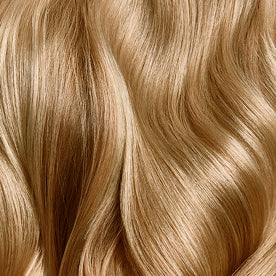
It also draws moisture deep into the skin, making it useful for dry and anti-aging skin. Why Honey is Good for Your Hair Honey has countless benefits for hair such as the ability to attract and retain moisture, add shine and prevent breakage. Honey also contains nutrients like vitamins, minerals, amino acids and antioxidants to protect hair from damage and improve overall hair health.
Discover the power of honey Honey goes through a journey before reaching your bathroom shelf, which is what makes our products so special. It is thanks to the hard work of our bees that we can enjoy the powerful benefits of honey for our hair and skin! Wondering why our community loves our Honey Infused hair care? Try it yourself!